The Department of Prosthodontics of the School of Dentistry at S.D. Asfendiyarov Kazakh National Medical University carries out educational, clinical, research, and methodological activities. The Department provides training for students, interns, and residents and prepares PhD candidates and young researchers.
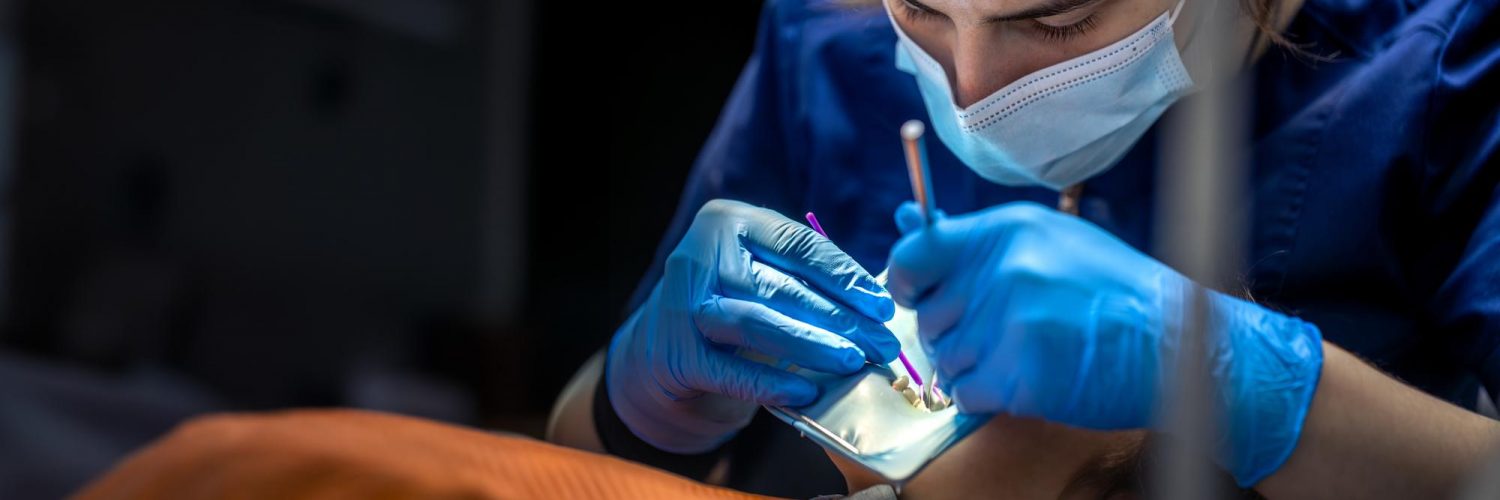
The educational process focuses on mastering modern methods of diagnosis, prevention, and prosthodontic treatment of patients with defects of the teeth and dental arches. Particular attention is given to dental implantology, aesthetic and maxillofacial prosthetics, digital technologies, and an interdisciplinary approach to patient treatment.
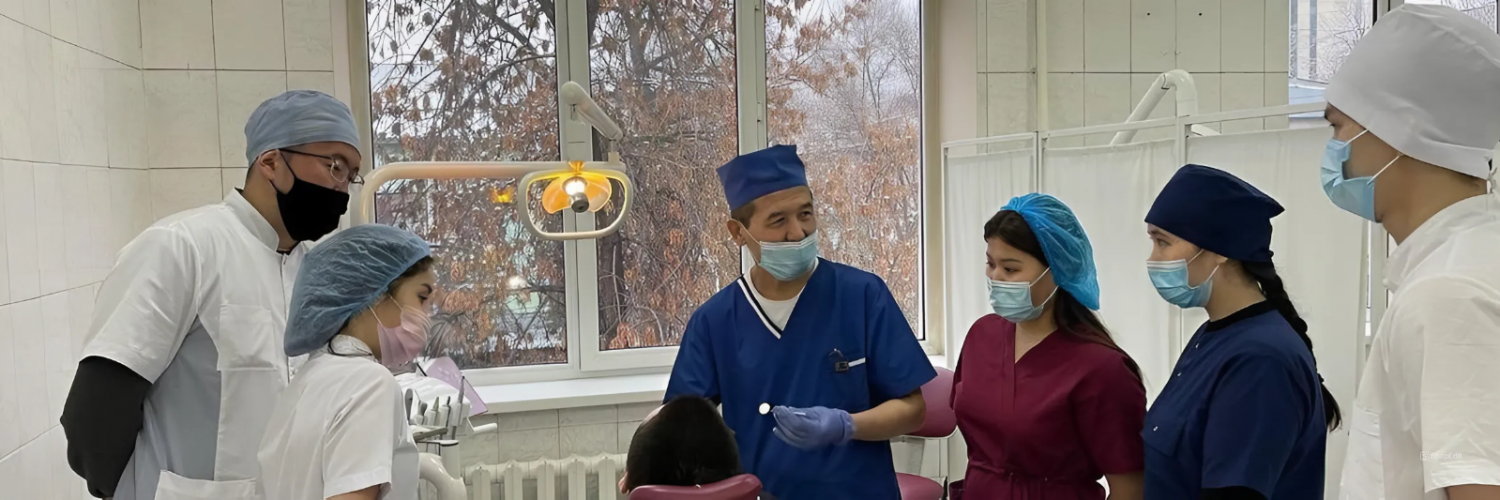
Resident training includes an in-depth study of modern prosthodontic methods, participation in clinical practice, analysis of complex clinical cases, patient consultations, and the development of digital diagnostic and prosthetic skills. Residents participate in scientific and practical conferences, seminars, master classes, and the Department’s research activities.
The Department provides PhD training in relevant areas of dentistry. PhD candidates conduct dissertation research under the supervision of the Department’s leading faculty members. They participate in the development of research projects, the collection and analysis of experimental and clinical data, and the preparation of publications for national and international scientific journals. They also present their research findings at international conferences.
Particular attention is paid to supporting young researchers. The Department has established a scientific mentorship system through which young faculty members, PhD candidates, residents, and students receive assistance in selecting research topics, developing research designs, and preparing scientific articles, abstracts, presentations, and applications for participation in research projects. Young researchers are actively involved in the Department’s research projects, student research activities, and scientific clubs.
In December 2023, the Digital Dentistry Laboratory was opened at the Department. Its equipment enables the use of CAD/CAM technologies, digital scanning, and modern methods for designing and manufacturing prosthetic restorations, including zirconia crowns. Digital technologies are used in the educational process, scientific research, and clinical practice.
The Department’s faculty members conduct scientific research, publish articles, develop educational and methodological materials, and participate in international and national conferences, seminars, roundtable discussions, and master classes. Research findings are incorporated into the educational process and clinical practice.
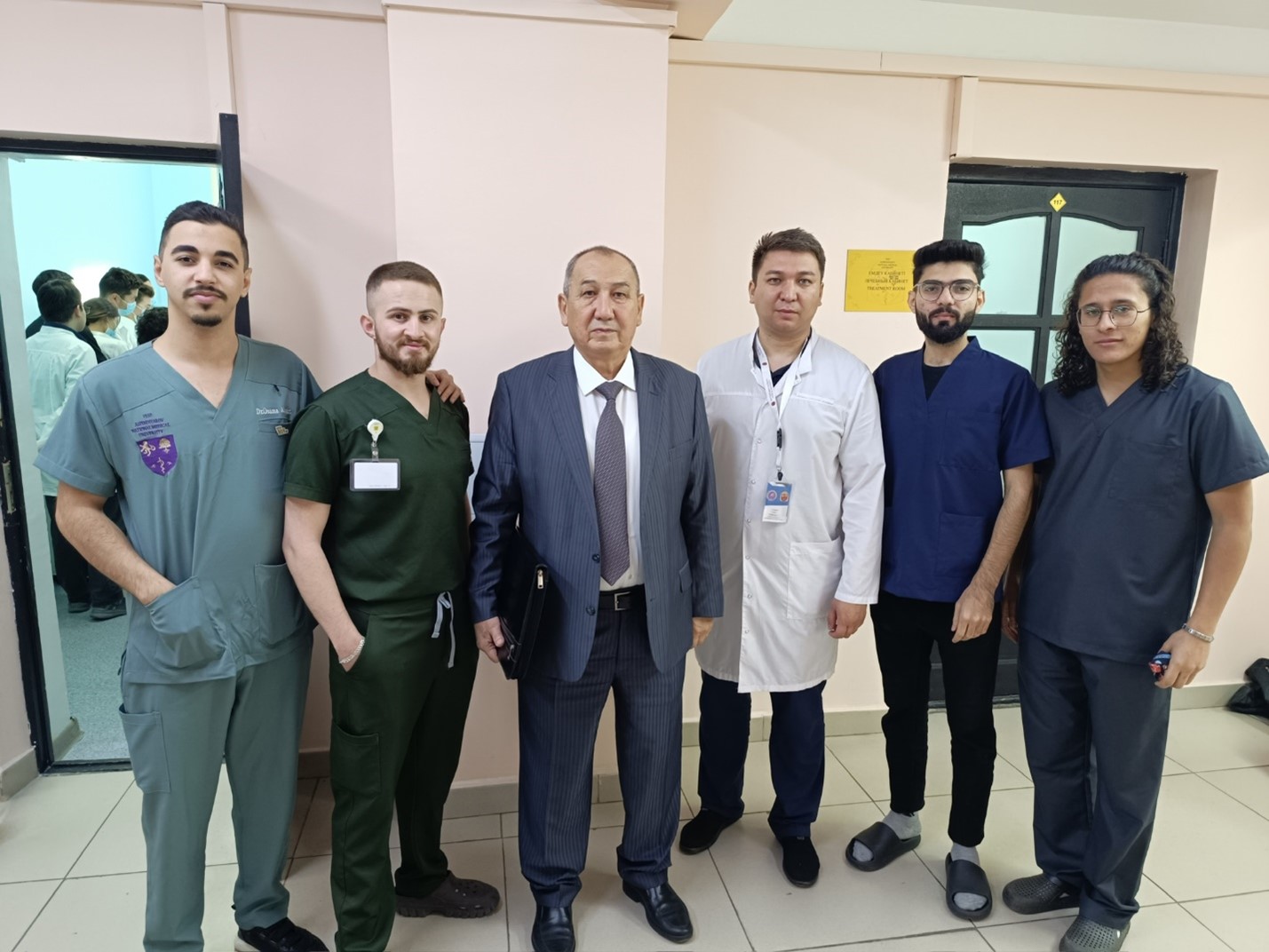
In 2026, the Department continued to expand its international cooperation. As part of the Visiting Professors Programme, Professor Ali Z. Syed from the United States visited the Department. Lectures and master classes on current achievements and innovative approaches in dentistry were conducted for faculty members, PhD candidates, residents, and students. The professor also participated in patient consultations and discussions of complex clinical cases together with the faculty members and clinicians of the School of Dentistry.
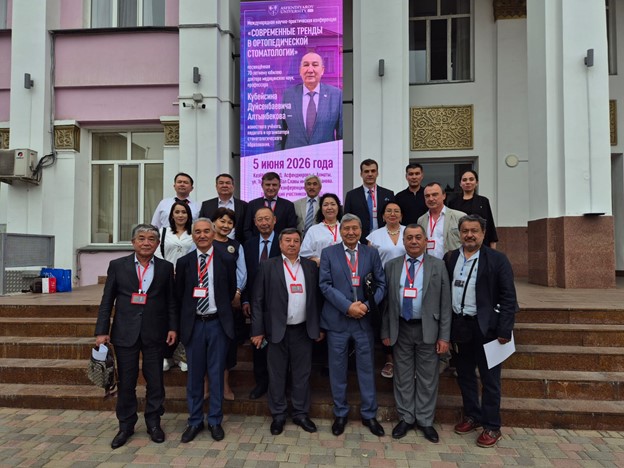
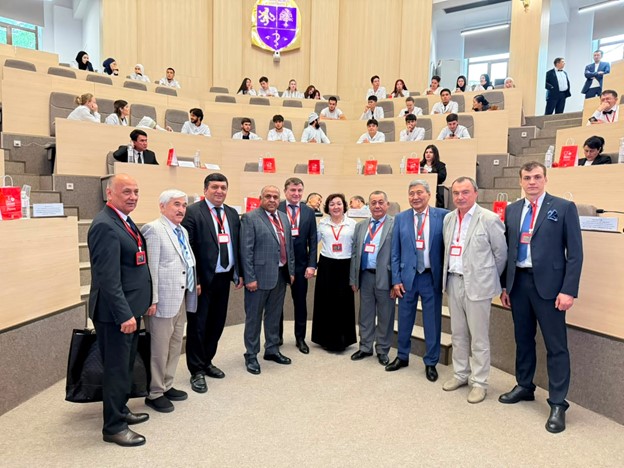
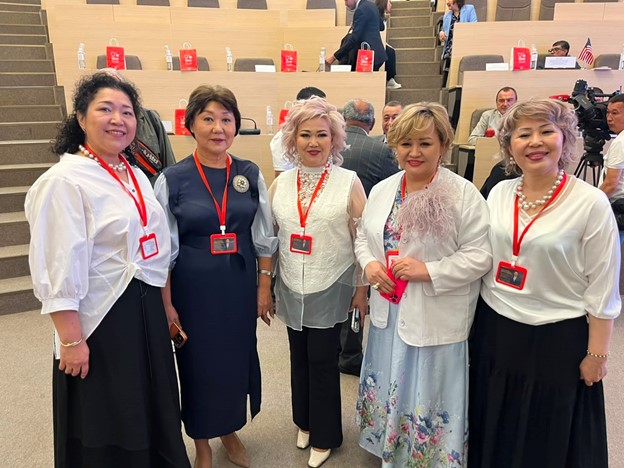
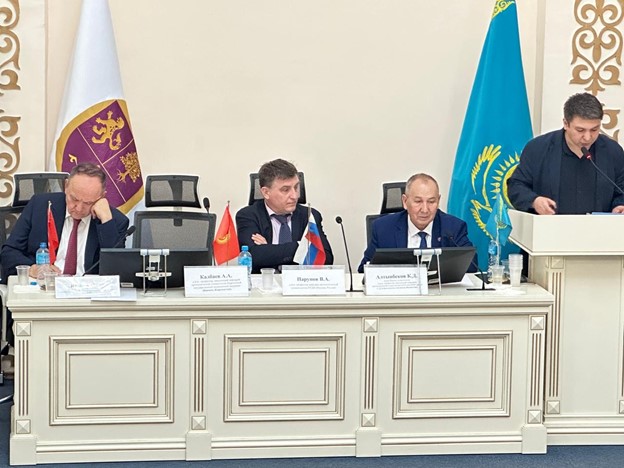
One of the major scientific events of 2026 was the International Scientific and Practical Conference “Modern Trends in Prosthodontics,” dedicated to the 70th anniversary of Doctor of Medical Sciences and Professor Kubeisin Duysenbayevich Altynbekov. Specialists from Kazakhstan, Russia, Uzbekistan, Kyrgyzstan, Türkiye, and the United States participated in the conference. Its main areas of focus included digital prosthodontics, dental implantology, artificial intelligence, innovative dental materials, and additive technologies. Young researchers, PhD candidates, residents, and students presented the results of their research through scientific reports and poster presentations.
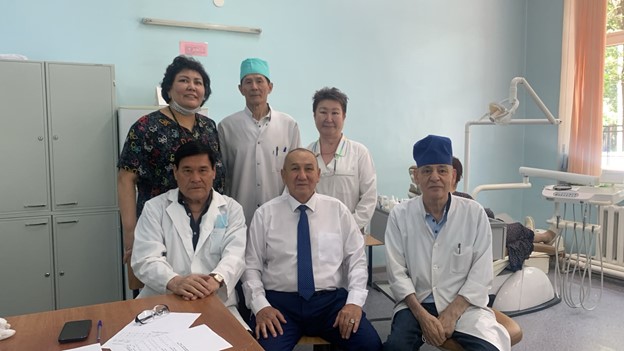
The Department develops cooperation with clinical partners and the professional community and organises patient consultations, clinical conferences, master classes, and preventive activities. Practical training is conducted using modern dental materials, equipment, and digital technologies.